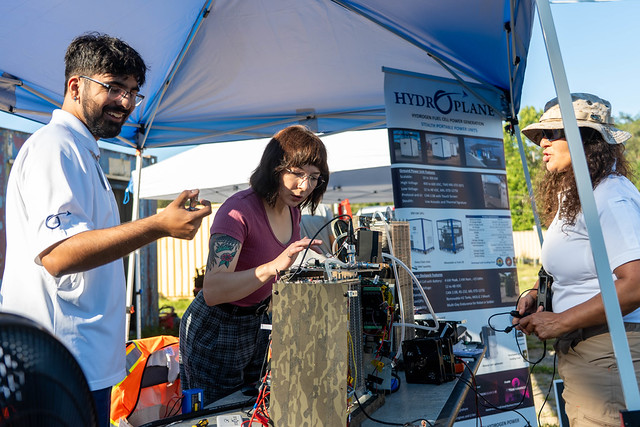
Hydroplane Ltd. is a small business developing hydrogen fuel cell–based propulsion and power generation systems for aviation, maritime, heavy-duty transportation, and mobile power generation. Hydroplane provides modular zero-emission power systems for government, defense, transportation, and energy applications.
Core Competencies
-
Hydrogen Fuel Cell Power Generation: Design and development of modular low-temperature and intermediate-temperature PEM fuel cell power systems from approximately 2 kW to 300 kW for mobile and stationary applications.
-
Aviation Electrification: Hydrogen-electric propulsion and auxiliary power systems for regional, cargo, charter, and unmanned aircraft applications, including aircraft retrofit and flight-demonstration programs.
-
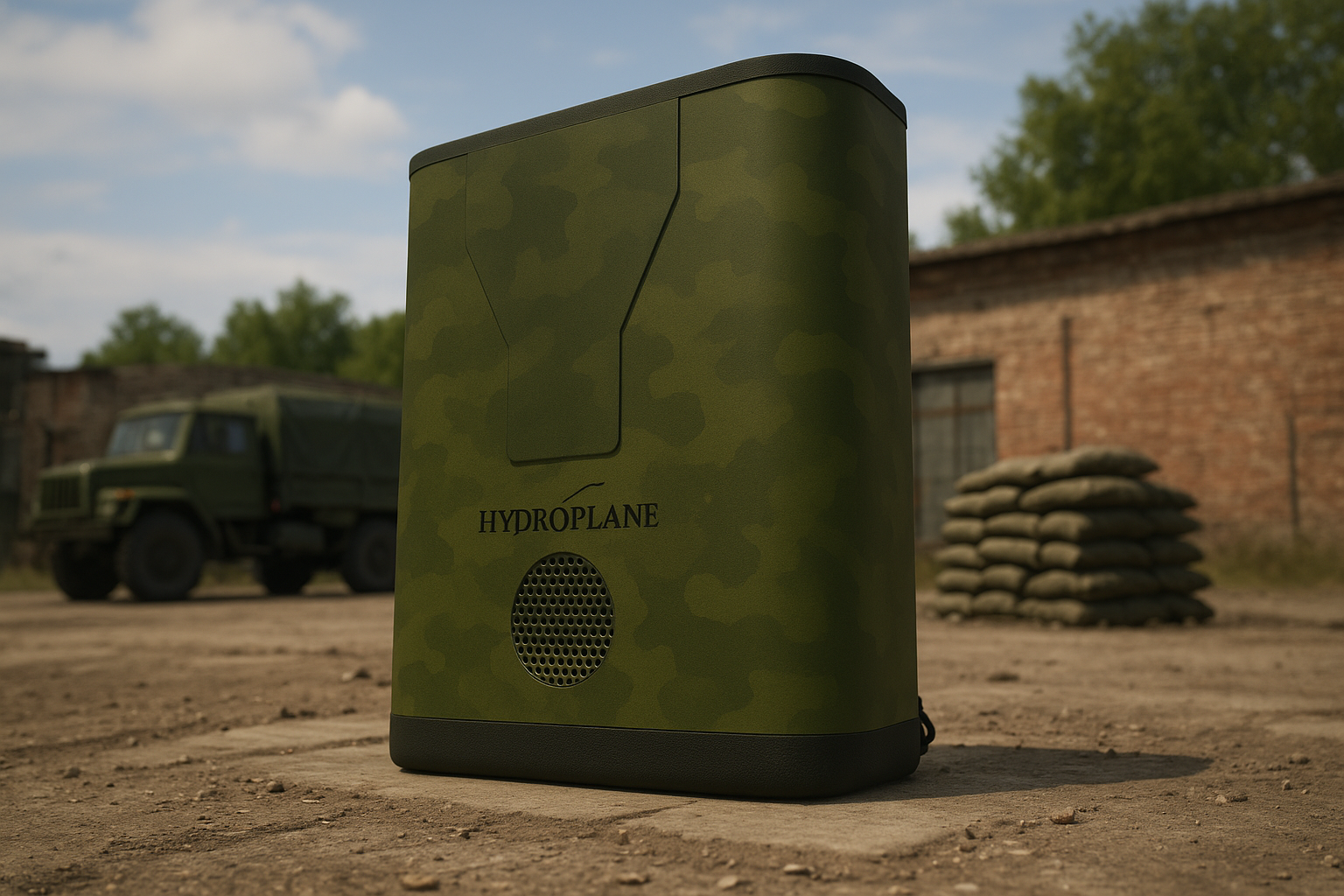
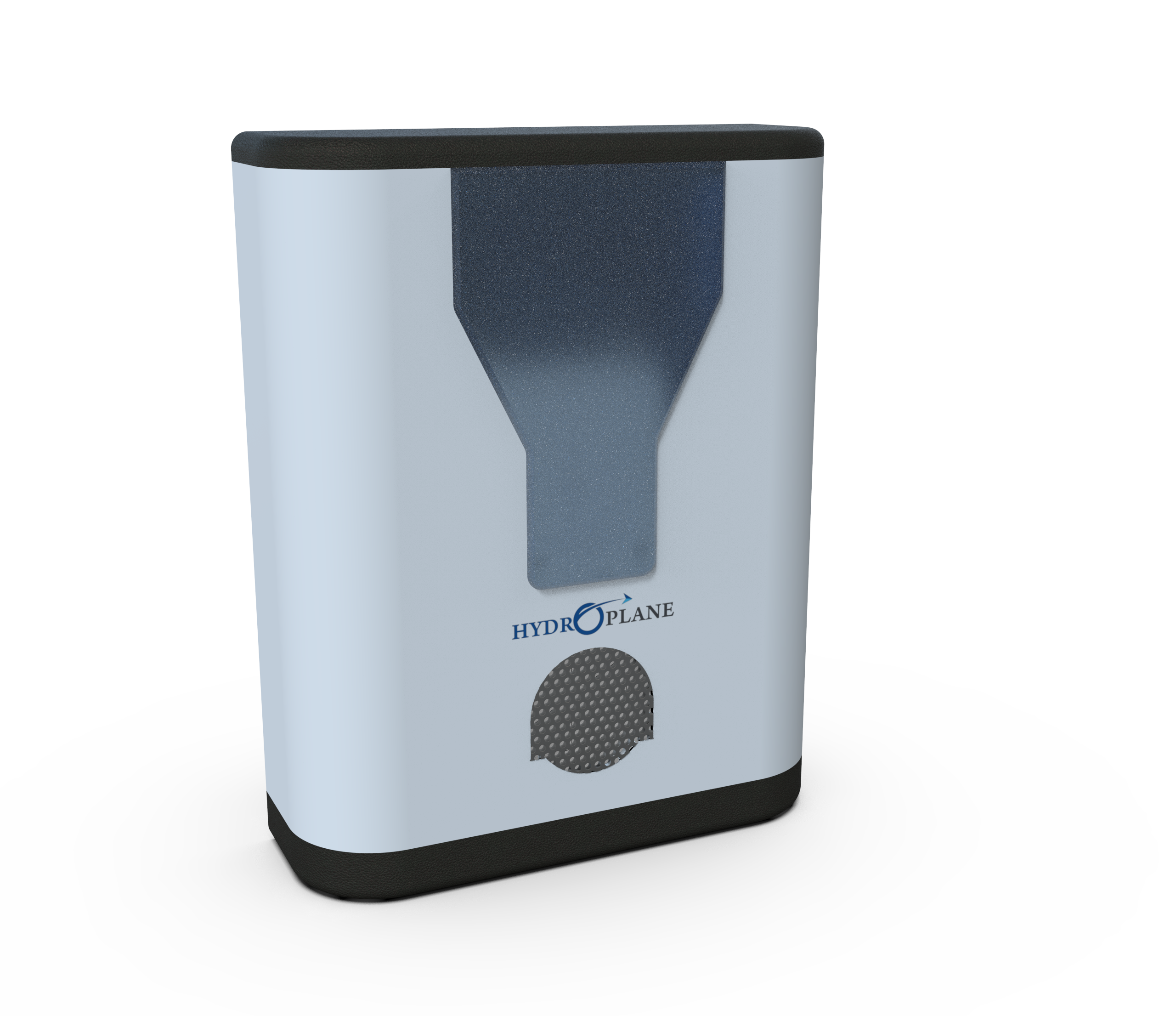
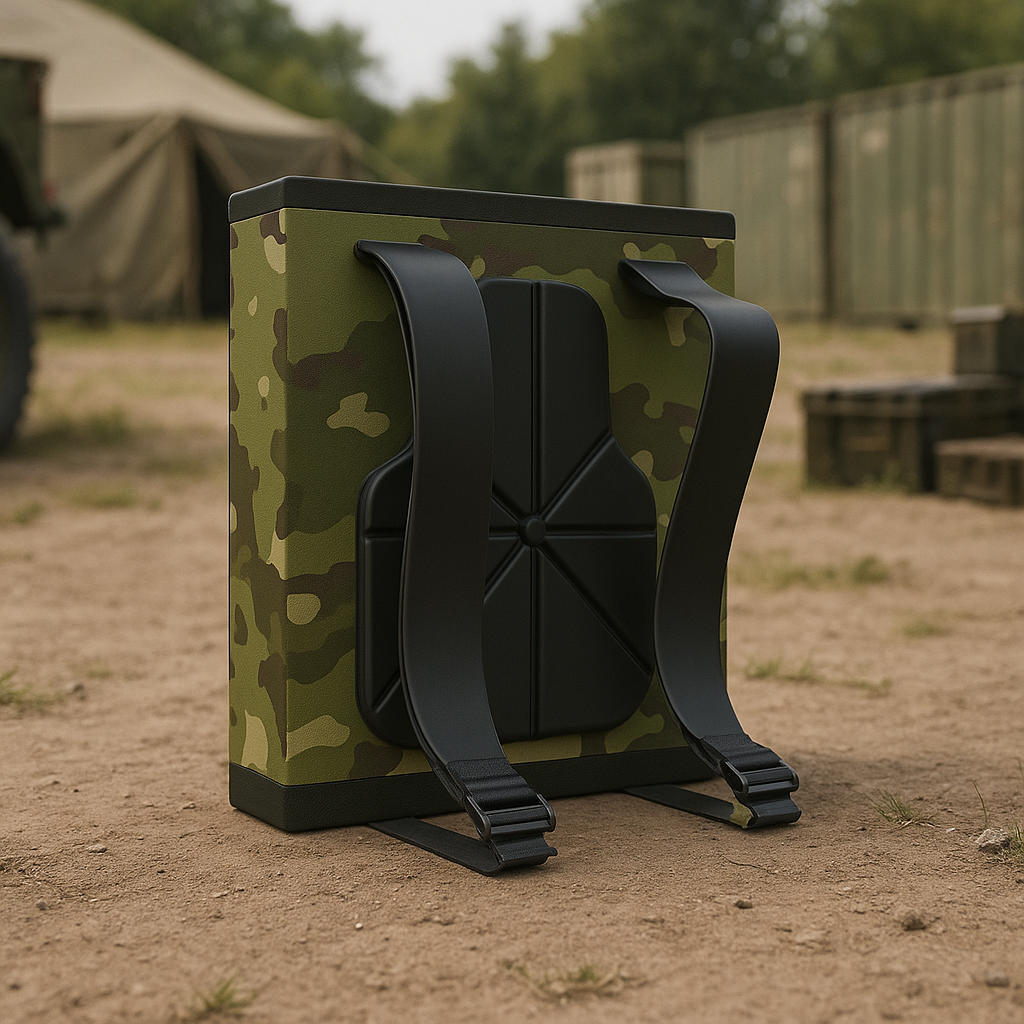
Defense & Tactical Power: Compact, low-signature hydrogen fuel cell systems for unmanned systems, robotics, expeditionary power, and defense applications.
-
Maritime & Port Electrification: Hydrogen fuel cell power generation for vessels, port equipment, and distributed energy systems.
-
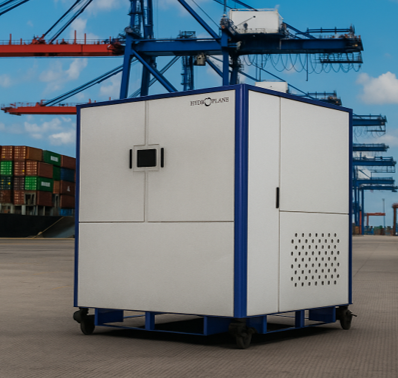
Mobile & Distributed Power: Modular hydrogen power units for mobile power generation, microgrids, emergency response, and remote operations.
-
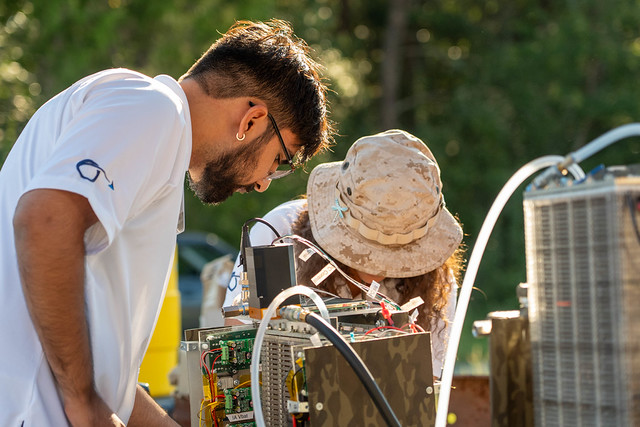
Fuel Cell Systems Engineering: Fuel cell stack, membrane-electrode assembly, balance-of-plant, thermal management, high-voltage DC power conversion, controls, and system integration.
Primary NAICS Codes
-
541715 – Research and Development in the Physical, Engineering, and Life Sciences
-
336413 – Other Aircraft Parts and Auxiliary Equipment Manufacturing
-
333618 – Other Engine Equipment Manufacturing
-
541690 – Other Scientific and Technical Consulting Services
-
541330 – Engineering Services
Differentiators
-
Government-Funded Technology Development: Hydroplane has executed U.S. Department of Defense SBIR/STTR programs supporting hydrogen fuel cell propulsion and power-generation technology for aviation and defense applications.
-
Multi-Domain Platform: A common modular fuel-cell architecture is being developed for aviation, maritime, mobile power, microgrids, and unmanned systems, allowing technology developed in one application to transfer across multiple government missions.
-
Customer-Funded Development: Hydroplane’s development model emphasizes government-funded R&D, customer-funded technology development, and early revenue
-
Integrated Systems Engineering: In-house capabilities span fuel-cell stack development, hydrogen systems, thermal management, power electronics, controls, propulsion integration, and system-level testing.
-
Defense & Government Experience: Hydroplane has performed technology development activities with the U.S. Air Force, U.S. Army, and U.S. Navy/Department of the Navy, as well as state and public-sector agencies.
-
Zero-Emission Power: Hydrogen fuel cell systems produce electricity electrochemically, with water and heat as the primary byproducts during operation, enabling zero direct CO₂, NOₓ, and particulate emissions at the point of use when operating on hydrogen.
Selected Government & Public-Sector Experience
U.S. Air Force
-
Program: Hydrogen Fuel Cell–Based Aircraft Propulsion (Phase 1 and Phase 2 STTR)
-
Scope: Development of a hydrogen-electric propulsion system for aircraft applications, including a 150 kW-class powerplant and aircraft integration activities.
-
Capability: Fuel cell power generation, high-voltage DC architecture, thermal management, controls, and aircraft propulsion integration.
U.S. Army (Phase 1 and Phase 2 SBIR)
-
Program: Hydrogen Fuel Cell Aircraft & Power Systems
-
Scope: Development of a 300 kW-class hydrogen fuel cell power system for helicopter applications and associated DC microgrid power generation.
-
Capability: High-power fuel cell systems, propulsion power generation, power electronics, thermal management, and system integration
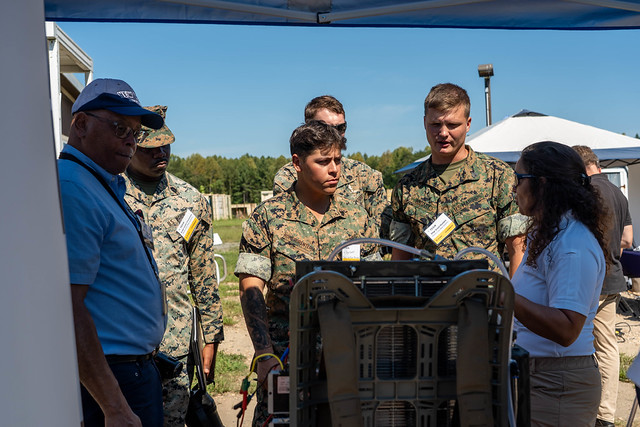
U.S. Marine Corps (Phase 1 and Phase 1 Option SBIR)
-
Program: Hydrogen Fuel Cell Generator
-
Scope: Development of a 100 kW-class hydrogen fuel cell generator for distributed and expeditionary power applications.
-
Capability: Mobile zero-emission power generation and integration with electrical loads and microgrids.
California Energy Commission / California Public Agencies (CEC Grant, City of Lancaster Contract)
-
Scope: Hydrogen infrastructure and fuel-cell power-generation projects supporting transportation, ports, distributed energy, and zero-emission applications.
-
Capability: Hydrogen production/storage interfaces, fuel cell power generation, mobile power, and infrastructure engineering.
Technology Platform
Hydrogen Fuel Cell Power Platform
Hydroplane’s modular fuel cell platform integrates:
-
PEM fuel cell stacks and membrane-electrode assemblies
-
Hydrogen delivery and regulation systems
-
Air supply and balance-of-plant systems
-
Liquid thermal management
-
High-voltage DC electrical architecture
-
DC/DC power conversion
-
Embedded controls and communications
-
System-level modeling and digital-twin development
-
Propulsion motor and generator integration
The platform is being developed across multiple power classes to support unmanned aircraft, crewed aircraft, maritime systems, robotics, mobile generators, and distributed energy applications.
Contracting & Acquisition Capabilities
Hydroplane is positioned to support government customers through:
-
SBIR/STTR Phase I, II, and follow-on development
-
Prototype development and demonstration
-
Research and development contracts
-
Engineering services
-
Technology integration and testing
-
Government-funded technology transition
-
Commercialization and field deployment
-
Subcontracting and teaming arrangements
Hydroplane can provide engineering, prototype development, system integration, testing, and technology demonstration services as either a prime contractor or subcontractor, depending on program requirements.