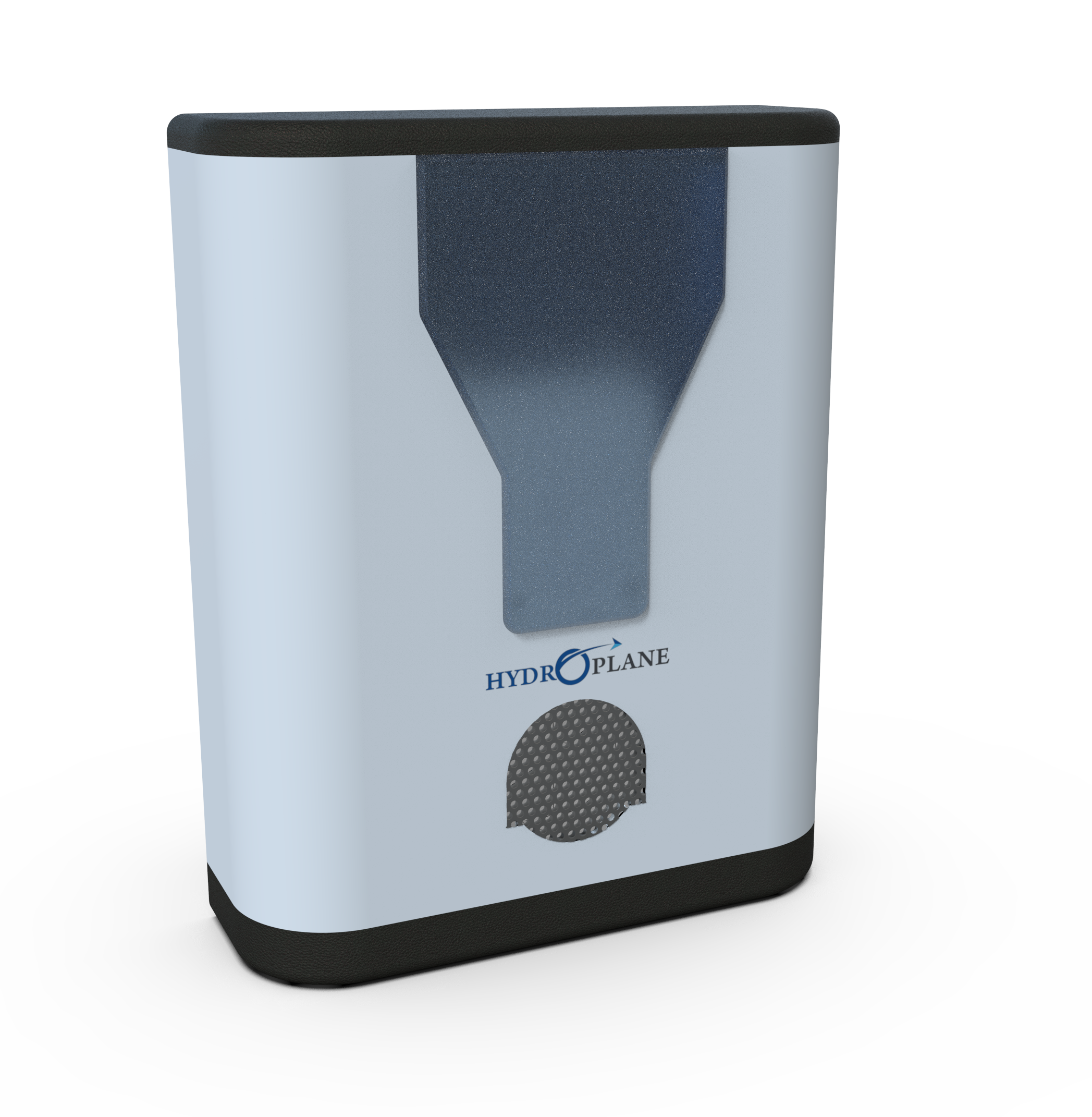
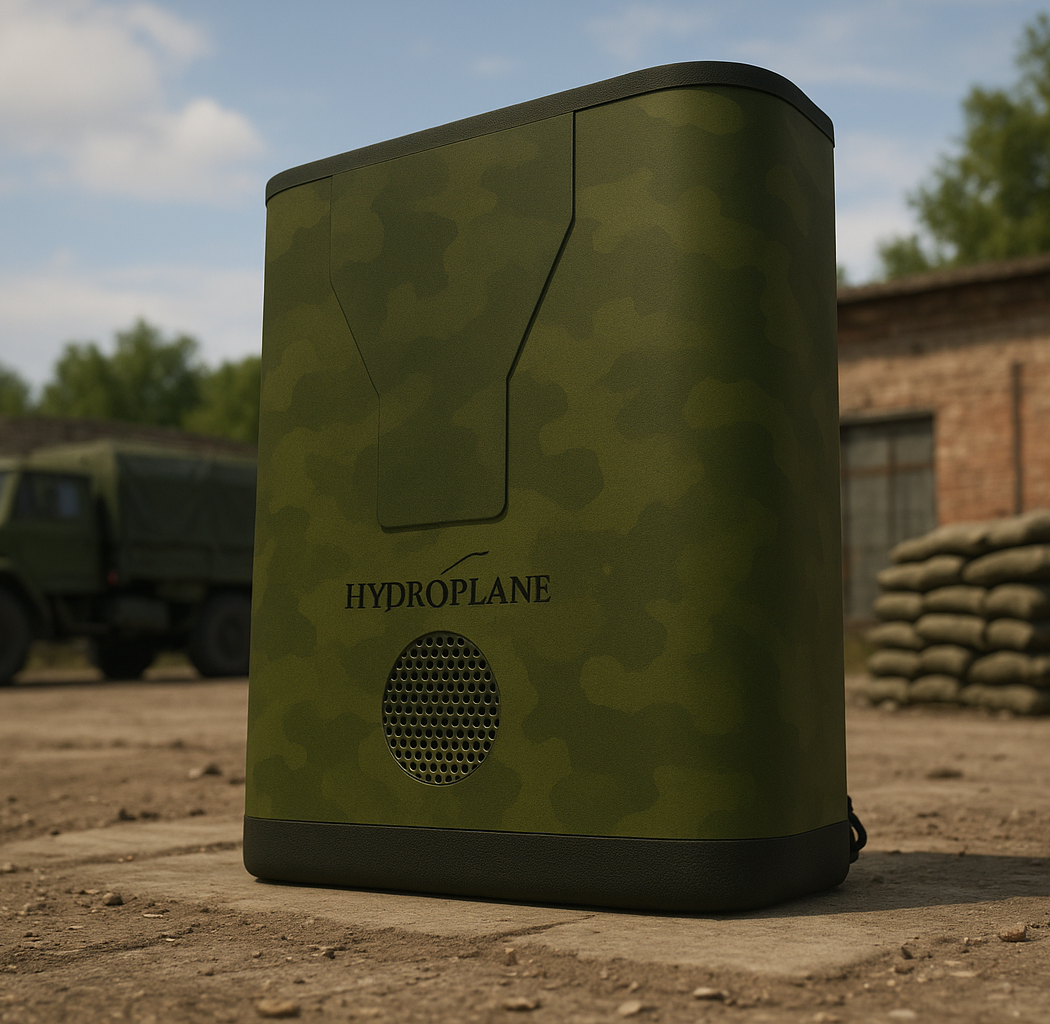
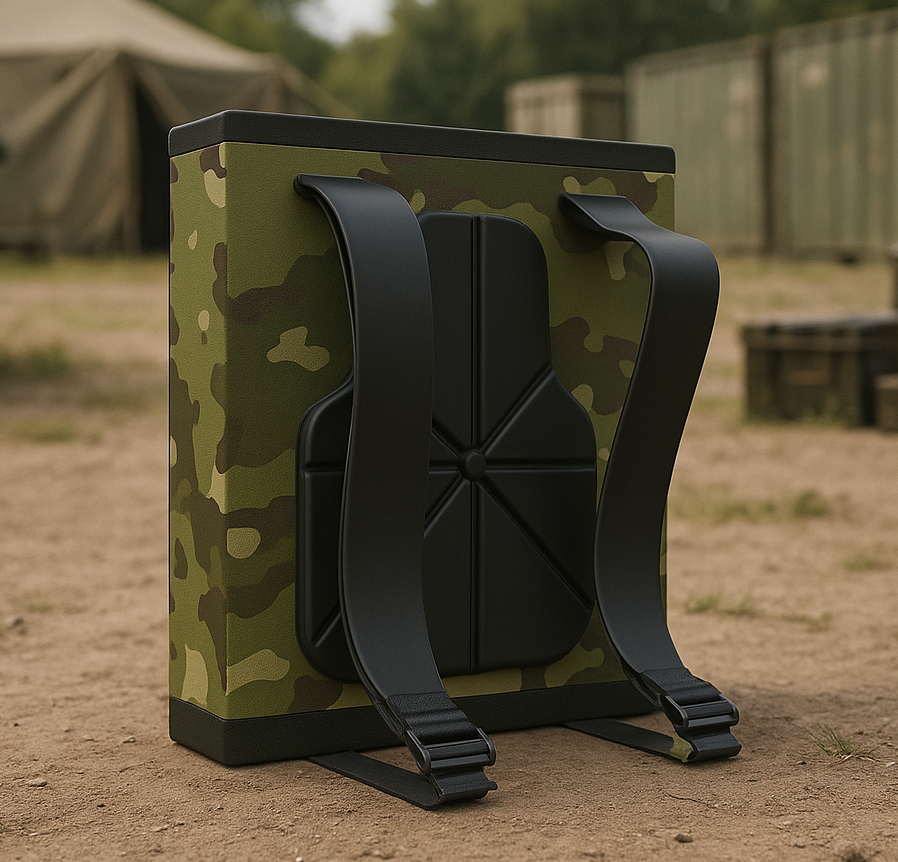
Hydroplane Ltd. is a small business developing hydrogen fuel cell–based propulsion and power generation systems for aviation, maritime, heavy-duty transportation, and mobile power generation. Hydroplane provides modular zero-emission power systems for government, defense, transportation, and energy applications. ♦UEI: EHJNG9NHYML1 ♦CAGE Code: 8NW25 ♦Headquarters: Lancaster, California, US
PEM fuel cell stacks and membrane-electrode assemblies
Hydrogen delivery and regulation systems
Air supply and balance-of-plant systems
Liquid thermal management
High-voltage DC electrical architecture
DC/DC power conversion
Embedded controls and communications
System-level modeling and digital-twin development
Propulsion motor and generator integration
The platform is being developed across multiple power classes to support unmanned aircraft, crewed aircraft, maritime systems, robotics, mobile generators, and distributed energy applications.
Contracting Capabilities
Hydroplane is positioned to support government customers through:
SBIR/STTR Phase I, II, and follow-on development
Prototype development and demonstration
Research and development contracts
Engineering services
Technology integration and testing
Government-funded technology transition
Commercialization and field deployment
Subcontracting and teaming arrangements
Hydroplane can provide engineering, prototype development, system integration, testing, and technology demonstration services as either a prime contractor or subcontractor, depending on program requirements.
Primary NAICS Codes
541715 – Research and Development in the Physical, Engineering, and Life Sciences
336413 – Other Aircraft Parts and Auxiliary Equipment Manufacturing
333618 – Other Engine Equipment Manufacturing
541690 – Other Scientific and Technical Consulting Services
541330 – Engineering Services
Core Competencies
Hydrogen Fuel Cell Power Generation: Design and development of modular low-temperature and intermediate-temperature PEM fuel cell power systems from approximately 2 kW to 300 kW for mobile and stationary applications.
Aviation Electrification: Hydrogen-electric propulsion and auxiliary power systems for regional, cargo, charter, and unmanned aircraft applications, including aircraft retrofit and flight-demonstration programs.
Defense & Tactical Power: Compact, low-signature hydrogen fuel cell systems for unmanned systems, robotics, expeditionary power, and defense applications.
Maritime & Port Electrification: Hydrogen fuel cell power generation for vessels, port equipment, and distributed energy systems.
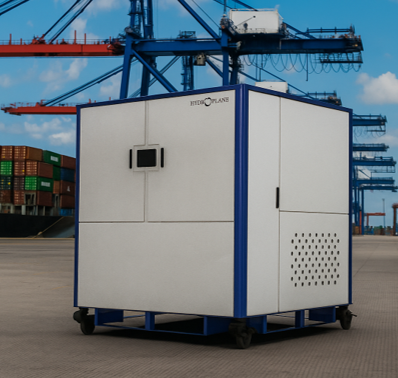
Mobile & Distributed Power: Modular hydrogen power units for mobile power generation, microgrids, emergency response, and remote operations.
Fuel Cell Systems Engineering: Fuel cell stack, membrane-electrode assembly, balance-of-plant, thermal management, high-voltage DC power conversion, controls, and system integration.
Differentiators
Government-Funded Technology Development: Hydroplane has executed U.S. Department of Defense SBIR/STTR programs supporting hydrogen fuel cell propulsion and power-generation technology for aviation and defense applications.
Multi-Domain Platform: A common modular fuel-cell architecture is being developed for aviation, maritime, mobile power, microgrids, and unmanned systems, allowing technology developed in one application to transfer across multiple government missions.
Customer-Funded Development: Hydroplane’s development model emphasizes government-funded R&D, customer-funded technology development, and early revenue
Integrated Systems Engineering:In-house capabilities span fuel-cell stack development, hydrogen systems, thermal management, power electronics, controls, propulsion integration, and system-level testing.
Defense & Government Experience: Hydroplane has performed technology development activities with the U.S. Air Force, U.S. Army, and U.S. Navy/Department of the Navy, as well as state and public-sector agencies.
Low Signature Power: Hydrogen fuel cell systems produce electricity electrochemically, with a low thermal and acoustic signature. Water is the primary byproduct during operation, enabling zero direct CO₂, NOₓ, and particulate emissions at the point of use.
Scope: Development of a hydrogen-electric propulsion system for aircraft applications, including a 150 kW-class powerplant and aircraft integration activities.
Capability: Fuel cell power generation, high-voltage DC architecture, thermal management, controls, and aircraft propulsion integration.
U.S. Army (Phase 2 SBIR)
Program: Hydrogen Fuel Cell Aircraft & Power Systems
Scope: Development of a 300 kW-class hydrogen fuel cell power system for helicopter applications and associated DC microgrid power generation.
Capability: High-power fuel cell systems, propulsion power generation, power electronics, thermal management, and system integration
U.S.M.C. (Phase 1 SBIR)
Program: Hydrogen Fuel Cell Generator
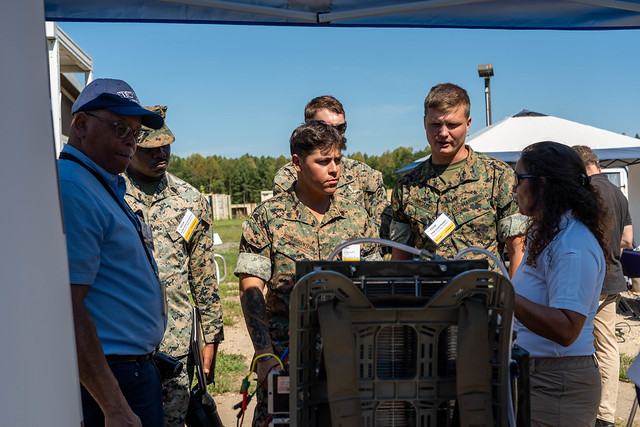
Scope: Development of a 10-100 kW-class hydrogen fuel cell generator for distributed and expeditionary power applications.
Capability: Mobile low signature power generation and integration with electrical loads and microgrids.
US Public Agencies (Multiple Contracts)
Scope: Hydrogen infrastructure and fuel-cell power-generation projects supporting H2 fueling, energy, and maritime applications.
Capability: Hydrogen production/storage interfaces, fuel cell power generation, mobile power, and infrastructure engineering.
Deployments Are Available for US Government Agencies